7 Hidden Costs of Hiring a Map Passer (And Why Lucknow’s Best Architects Focus on Design)
You’ve finally done it. You’ve secured that perfect plot of land in Gomti Nagar Extension or the burgeoning streets of Sultanpur Road. The dream of building your own home is finally a reality. But then, a well-meaning neighbor or a local contractor whispers in your ear: "Why pay an architect a fee when I know a guy who can get your map passed for five thousand rupees?"
It sounds like a bargain, doesn't it? In the industry, we call these "map passers." They are individuals who specialize solely in getting a drawing—any drawing—stamped by the local authorities so you can legally start digging. But here is the catch: a map is just a piece of paper; a design is a lifestyle. The difference between a map passer and an architect is often the difference between a house that feels like a sanctuary and one that feels like a series of expensive mistakes.
At Trygve Studio, we’ve seen the "map passer special" more times than we’d like. While the upfront savings seem attractive, the hidden costs that surface during and after construction can be staggering. Let’s pull back the curtain on why "cheap" is often the most expensive way to build.
Why This Matters (Real Talk)
Picture this: Mr. Sharma wanted to save money on his three-bedroom bungalow in Lucknow. He hired a map passer who handed him a blueprint that looked "fine." Six months into construction, Mr. Sharma realized that his master bedroom was positioned directly against the afternoon sun, making it an oven by 4:00 PM. To fix it, he had to install a 2-ton AC that runs 12 hours a day, and he spent an extra two lakhs on thermal cladding. That "cheap" map suddenly cost him a fortune in electricity and retrofitting.
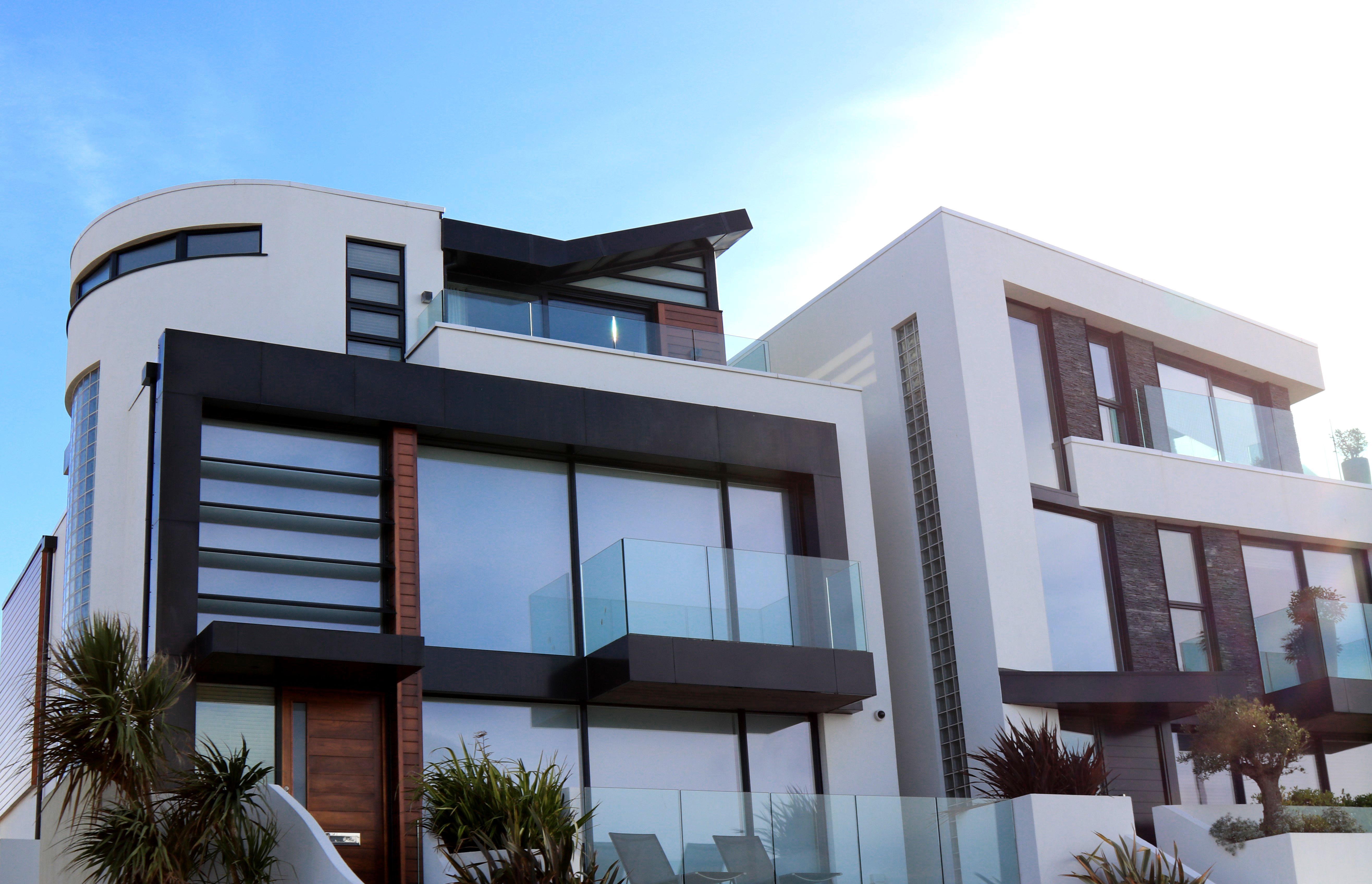
An architect doesn't just draw lines; they study the sun’s path, the wind direction, and how your family actually moves. A map passer fills a rectangular box with smaller boxes. It’s the difference between buying a tailored suit and a one-size-fits-all poncho. One fits your life; the other just covers the basics (and usually looks a bit lumpy).
"Architecture should speak of its time and place, but yearn for timelessness." — Frank Gehry. A map passer speaks only of the municipal building codes, leaving the 'living' part entirely to chance.
The 7 Hidden Costs of Choosing the "Easy" Route
When you understand the difference between a map passer and an architect, you start to see that the architect’s fee isn't a cost—it’s an insurance policy. Here are the seven ways a map passer actually drains your bank account:
- 1. The "Dead Space" Tax: Map passers often use "cookie-cutter" templates. This results in long, dark corridors that serve no purpose or awkward corners where no furniture fits. In a city like Lucknow, where land prices are skyrocketing, wasting even 50 square feet of space is like flushing lakhs of rupees down the drain.
- 2. Structural Over-Engineering (or Under-Engineering): Without a professional architect working with a structural engineer, you either end up using way too much steel (wasting money) because the contractor is "playing it safe," or too little, leading to cracks and foundation issues in five years.
- 3. The Electricity Drain: Lucknow summers are no joke. A professional architect designs for cross-ventilation and natural light. A map passer ignores "contextual understanding," leading to dark rooms that require lights on at noon and ACs that never stop humming.
- 4. Material Wastage: Without a detailed "Bill of Quantities" (BOQ), you are at the mercy of your contractor. You’ll buy 500 bags of cement when you only needed 400, and the rest will rot in the rain.
- 5. The "I Hate This" Re-work: Halfway through the build, you’ll realize the kitchen is too small for your fridge. You’ll pay the laborers to tear down the wall and rebuild it. Change orders are the primary reason projects go over budget.
- 6. Zero Resale Appeal: A well-designed home by a reputable firm like Trygve Studio appreciates in value. A generic "map-passed" house is just another building on the block. Design is a value multiplier.
- 7. The Mental Health Toll: Managing a site without a professional guide is a full-time job. The stress of making 500 decisions a day without a master plan is a cost that can’t be measured in Rupees, but it’s very real.
Common Pitfalls (And How to Avoid Them)
The most common mistake homeowners make is thinking that the contractor is the same as the designer. While contractors are essential for execution, their goal is usually to finish the job quickly, not necessarily thoughtfully. Consider this scenario: A contractor suggests moving a column because it's "easier for the plumbing." Without an architect to vet that decision, you might find out months later that your floor is sagging or your interior layout is ruined.
Another pitfall is falling for "3D-only" services. Some people will offer you a pretty 3D picture for a few thousand rupees. But a pretty picture isn't a working drawing. You can't build a house on a JPEG. You need precision, research-backed planning, and material honesty to ensure that what you see on the screen is what you get in reality.
Planning to Build or Renovate in Lucknow?
From LDA map approvals and 3D Vastu elevations to luxury interior fit-outs. Consult the Best Architects in Lucknow, explore bespoke Interior Designers in Lucknow, or estimate your budget with our Construction Cost Calculator.
How Trygve Studio Can Help
This is where the expertise of a professional firm makes all the difference. Trygve Studio is a multidisciplinary architecture and interior design studio focused on creating thoughtful, functional, and timeless spaces. We don't just "pass maps"; we curate environments.
The studio blends modern design sensibilities with contextual understanding, sustainability, and user-centric planning. Whether we are working on residential or commercial interiors, our architectural planning and turnkey execution ensure that the vision remains intact from the first sketch to the final brick. At Trygve Studio, we deliver end-to-end design solutions backed by research, precision, and strong project management. Our approach prioritizes clarity, material honesty, natural light, and long-term usability over short-lived trends.
When you work with Trygve Studio, you aren't just hiring "architects & interior designers." You are hiring partners who understand that your home is likely the biggest investment of your life. We focus on the details that a map passer would never even consider—like how the morning light hits your breakfast nook or how to use local materials to keep your home cool without relying solely on technology.
Your Action Plan
Ready to move beyond the "map passer" mindset? Here is how you should approach your building journey:
- Interview for Insight, Not Just Price: Ask potential architects how they handle site constraints and natural light. If they only talk about "approval," move on.
- Request a Portfolio: Look for "material honesty." Does the work look like it will still look good in 20 years, or is it covered in trendy, cheap cladding?
- Define Your Lifestyle: Before meeting a designer, write down how you live. Do you cook a lot? Do you need a quiet home office? A professional architect will build the house around you.
- Budget for Design: Allocate a percentage of your total project cost to professional fees. It will save you triple that amount in avoided mistakes and energy efficiency.
Final Thoughts
Building a home in Lucknow is a beautiful, once-in-a-lifetime journey. Don't let the lure of "cheap and fast" map-passing turn your dream into a series of structural and financial headaches. The difference between a map passer and an architect is the difference between a house that stands and a house that lives.
If you’re looking for a partner who values research, precision, and timeless design, reach out to us. Trygve Studio is here to help you navigate the complexities of construction with clarity and expertise. Let’s build something that lasts—not just on paper, but for generations to come.
Ready to start your journey? Contact Trygve Studio today to see how our multidisciplinary approach can transform your vision into a functional masterpiece.