Kanpur Construction Materials: How They Impact Your Sq Ft Cost in 2026
Navigating the rising tide of construction costs in Kanpur for 2026 requires a sharp understanding of material choices. The seemingly straightforward decision of what to build with can dramatically influence your final square foot price, often by a significant margin. With material prices showing an upward trend, making informed decisions early on is paramount for any project, from a cozy home renovation to a sprawling commercial development. Did you know that fluctuations in the price of steel alone can impact overall project costs by as much as 15-20%?
In This Article:
- What kanpur construction material cost 2026 actually means for your project budget
- Step-by-step guide to evaluating material impact on your sq ft cost
- Comparing common construction materials and their 2026 price outlook
- Common pitfalls in material selection and how to avoid them
- The long-term benefits of smart material choices for your Kanpur property
- How Trygve Studio helps optimize material costs for timeless designs
Understanding Kanpur Construction Material Cost 2026
The term "kanpur construction material cost 2026" is more than just a price tag; it's a complex interplay of global supply chains, local demand, manufacturing processes, and even geopolitical factors. For property owners and developers in Kanpur, understanding these dynamics is crucial for accurate budgeting and avoiding costly surprises. The cost of raw materials like cement, steel, aggregates, and even finishing materials like tiles and paints, are subject to constant flux. For instance, the price of cement, a foundational element, can see significant shifts based on energy costs and government regulations affecting production.
When we talk about the kanpur construction material cost 2026, we're essentially looking at the projected expenses for the building components that will form your structure. This includes everything from the concrete in your foundation to the bricks in your walls, the timber for your doors, and the electrical conduits within your systems. Each material has its own unique cost trajectory, influenced by factors such as availability, transportation, and the technological advancements in their production. For example, advancements in manufacturing have led to a slight decrease in the cost of certain types of engineered wood, making them a more attractive option for some applications.
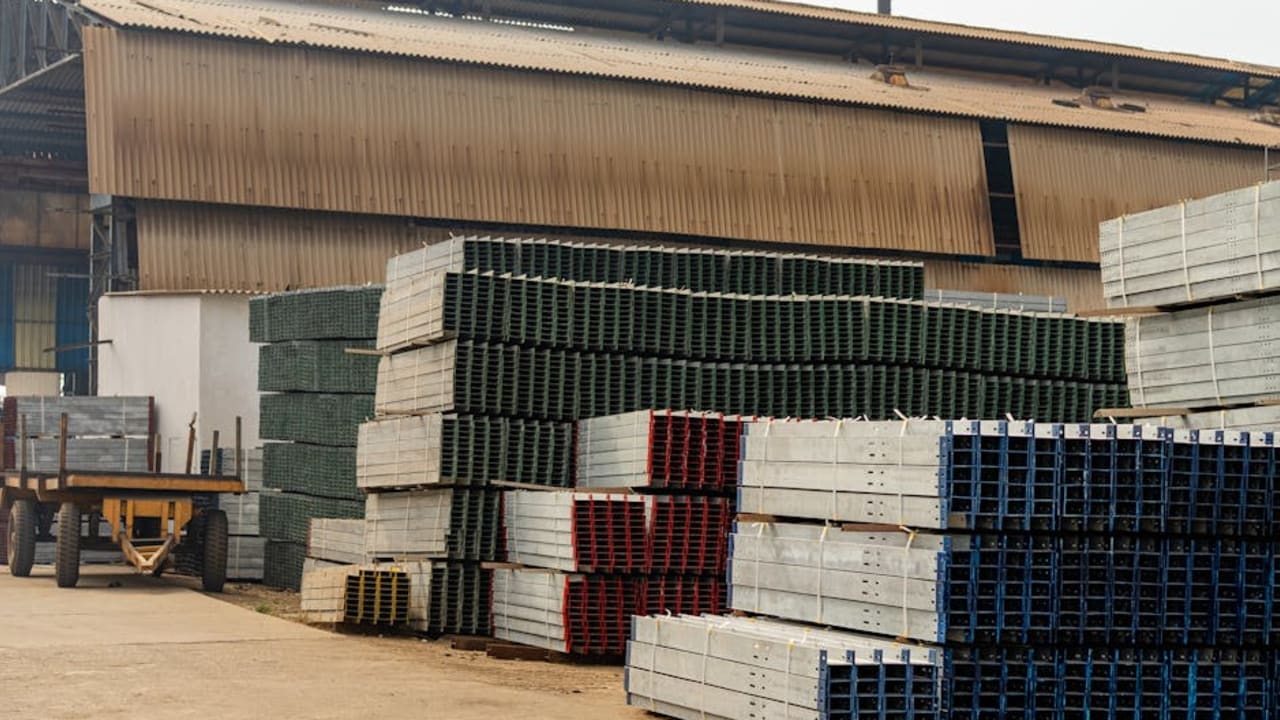
- Steel: A primary driver of structural costs, its price is heavily influenced by global commodity markets and domestic production capacity. In 2026, expect continued volatility.
- Cement: Essential for concrete and mortar, cement prices are tied to energy costs (coal, electricity) and environmental compliance regulations.
- Aggregates (Sand & Gravel): Local availability and transportation costs are the main determinants here. Sustainable sourcing practices may also influence pricing.
- Bricks & Blocks: Traditional fired bricks face increasing energy costs, while fly ash and concrete blocks offer more stable pricing and environmental benefits.
- Timber & Wood Products: Sourcing and sustainability certifications can impact costs, as can the demand for specific wood types for finishes and structural elements.
- Paints & Coatings: Raw material costs for pigments and binders, along with specialized finishes (e.g., weather-resistant, anti-microbial), will affect pricing.
- Plumbing & Electrical Fixtures: Quality, brand, and technological features (e.g., smart home integration) play a significant role in the cost of these essential services.
"The kanpur construction material cost 2026 is not static. It's a dynamic equation influenced by global economic trends, local infrastructure, and evolving building codes. To truly control your project's financial trajectory, you need to understand the nuances of each material's lifecycle cost, not just its upfront price."
— Anya Sharma, Senior Materials Analyst
The Material Selection Process: A Step-by-Step Approach
Selecting the right construction materials is a critical phase that directly impacts your project's budget, timeline, and long-term performance. A structured approach ensures that you are not only meeting aesthetic goals but also achieving optimal value and sustainability. This process involves careful research, consultation, and a clear understanding of your project's unique requirements.
- Define Project Scope and Requirements: Clearly outline the purpose of the building, its intended lifespan, desired aesthetic, and functional needs. Consider factors like climate, seismic activity (if applicable), and local building regulations.
Example: A residential home in Kanpur might prioritize thermal insulation and durability, while a commercial space might focus on high traffic resistance and a modern aesthetic. - Research Material Options: Investigate various materials that meet your defined requirements. Look into their properties, typical lifespan, maintenance needs, and environmental impact. For the kanpur construction material cost 2026, this involves checking current market prices and projected trends.
For instance, exploring alternatives to traditional brick, like AAC blocks, can offer better insulation and faster construction times. - Consult with Experts: Engage with architects, interior designers, and structural engineers. They can provide invaluable insights into material suitability, cost-effectiveness, and potential challenges. Trygve Studio specializes in guiding clients through this intricate decision-making process.
An experienced designer can suggest innovative material combinations that enhance both form and function. - Obtain Quotes and Samples: Contact reputable suppliers for accurate pricing and delivery timelines. Request material samples to assess their look, feel, and quality firsthand.
Never rely solely on online images; physical samples are essential for tactile and visual evaluation. - Analyze Lifecycle Costs: Beyond the initial purchase price, consider the long-term costs associated with each material. This includes installation, maintenance, repair, and eventual replacement or disposal.
A slightly more expensive, low-maintenance material might prove more cost-effective over the building's lifespan. - Prioritize Sustainability and Local Sourcing: Whenever possible, opt for materials that are locally sourced, recycled, or have a low environmental footprint. This not only supports the local economy but can also reduce transportation costs and carbon emissions.
Investigating the environmental impact of materials aligns with modern construction best practices. - Finalize Material Selections and Budget Allocation: Based on your research, expert advice, and cost analysis, make informed decisions. Allocate your budget accordingly, ensuring a contingency for unforeseen price fluctuations.
This stage requires a clear understanding of trade-offs between cost, quality, and performance.
Comparing Key Kanpur Construction Materials for 2026
When evaluating the kanpur construction material cost 2026, understanding the comparative pricing and performance of common materials is crucial. This table provides a snapshot of some key materials, their general cost implications, and factors to consider for your Kanpur project. Remember, these are general estimates and actual prices can vary significantly based on supplier, quality, and market conditions.
| Material Type | Typical 2026 Cost Range (per unit/sq ft) | Pros | Cons | Impact on Sq Ft Cost |
|---|---|---|---|---|
| Traditional Burnt Clay Bricks | ₹8 - ₹12 per brick | Widely available, good thermal mass, traditional aesthetic. | Labor-intensive installation, higher water absorption, potential for cracking. | Moderate. Installation labor is a significant factor. |
| Fly Ash Bricks | ₹6 - ₹10 per brick | Eco-friendly (uses industrial waste), lighter, better insulation, faster construction. | May require specific curing, availability can vary by region. | Lower to Moderate. Offers cost savings due to lighter weight and faster build. |
| Concrete Blocks (Hollow & Solid) | ₹25 - ₹40 per block | Strong, durable, good fire resistance, dimensionally stable. | Can be heavier, may require additional insulation for optimal thermal performance. | Moderate. Cost-effective for structural integrity. |
| Reinforced Cement Concrete (RCC) | ₹200 - ₹350 per sq ft (structural frame) | High strength, versatile for complex designs, earthquake resistant. | Requires skilled labor, longer curing time, can be more expensive for basic structures. | High. A significant component of the overall structural cost. |
| Steel (TMT Bars) | ₹60 - ₹75 per kg (approx.) | High tensile strength, ductile, essential for seismic resistance. | Susceptible to corrosion if not protected, price volatility. | High. Directly impacts structural frame costs. Ministry of Labour & Employment regulations can indirectly affect manufacturing costs. |
| Cement (OPC/PPC) | ₹350 - ₹450 per bag (50kg) | Binding agent, crucial for concrete and mortar. PPC generally more eco-friendly. | Price sensitive to energy costs and environmental norms. | Moderate to High. A fundamental material cost. |
| Sand & Aggregates | ₹40 - ₹70 per cubic foot (approx.) | Essential components for concrete and mortar. | Availability can be an issue; transportation costs are significant. | Moderate. Bulk material costs. |
| Granite/Marble (Flooring/Countertops) | ₹150 - ₹800+ per sq ft (material only) | Durable, aesthetically pleasing, adds significant value. | High cost, heavy, requires professional installation. | High. Primarily affects finishing costs. |
Planning to Build or Renovate in Lucknow?
From LDA map approvals and 3D Vastu elevations to luxury interior fit-outs. Consult the Best Architects in Lucknow, explore bespoke Interior Designers in Lucknow, or estimate your budget with our Construction Cost Calculator.
Common Mistakes in Material Selection & How to Avoid Them
Selecting construction materials is a critical decision, and making the wrong choice can lead to significant financial and functional repercussions. Understanding common pitfalls is the first step towards avoiding them and ensuring your project is both cost-effective and enduring.
Ignoring Local Climate and Environmental Factors
Using materials not suited for Kanpur's climate (e.g., high humidity, temperature fluctuations) can lead to premature wear, structural issues, and increased maintenance costs. For example, materials that are highly susceptible to moisture can deteriorate rapidly.
- Problem: Using unsealed wood in areas prone to dampness.
- Consequence: Rot, mold, and structural weakening.
- Solution: Always select materials with appropriate weather resistance and consider sealants or protective coatings.
Focusing Solely on Upfront Cost
The cheapest material today might be the most expensive in the long run due to poor durability, high maintenance, or frequent repairs. This is a classic mistake that overlooks the total lifecycle cost of a material.
- Problem: Opting for the cheapest paint that fades quickly.
- Consequence: Frequent repainting, increased labor and material costs over time.
- Solution: Balance initial cost with durability, maintenance requirements, and expected lifespan.
Overlooking Supplier Reliability and Quality Control
Sourcing materials from unreliable suppliers or without proper quality checks can result in substandard products, leading to structural failures or aesthetic imperfections. The kanpur construction material cost 2026 can be severely impacted by receiving faulty materials.
- Problem: Accepting a batch of bricks with inconsistent dimensions.
- Consequence: Difficult installation, uneven walls, increased labor time.
- Solution: Vet your suppliers, request quality certifications, and inspect materials upon delivery.
Neglecting the Importance of Skilled Labor for Installation
Some materials require specific installation techniques. Using general labor for specialized installations can lead to errors, damage to the material, and compromised structural integrity.
- Problem: Improper installation of specialized tiles or waterproofing membranes.
- Consequence: Leaks, cracks, and premature failure of the installed system.
- Solution: Ensure that your construction team has the necessary expertise for the chosen materials.
The Advantages of Strategic Material Choices
Making informed and strategic choices about construction materials offers a multitude of benefits that extend far beyond the initial construction phase. These advantages contribute to a more sustainable, cost-effective, and desirable property in the long run.
- ✅ Enhanced Durability and Longevity: Selecting high-quality, appropriate materials ensures your building withstands the test of time and environmental factors, reducing the need for frequent repairs.
- ✅ Improved Energy Efficiency: Materials with good insulation properties (like AAC blocks or specialized insulation panels) can significantly reduce heating and cooling costs, leading to substantial savings.
- ✅ Reduced Maintenance Costs: Durable and weather-resistant materials require less upkeep, freeing up your budget and time for other priorities.
- ✅ Increased Property Value: The use of premium, aesthetically pleasing, and durable materials can significantly boost the resale value of your property.
- ✅ Environmental Sustainability: Opting for eco-friendly, recycled, or locally sourced materials contributes to a greener footprint and can sometimes qualify for incentives.
- ✅ Aesthetic Appeal and Comfort: The right materials contribute to a beautiful and comfortable living or working environment, enhancing user experience.
Real Case Example: A residential project in Kanpur, managed by Trygve Studio, initially considered using standard cement blocks for all internal walls. However, after a thorough analysis, they opted for a combination of fly ash bricks for non-load-bearing walls and a more robust concrete block for wet areas. This strategic choice resulted in a 10% reduction in the overall wall construction cost due to the lighter weight and faster installation of fly ash bricks, while ensuring superior moisture resistance where needed. Furthermore, the improved thermal properties of the chosen blocks contributed to an estimated 15% saving on annual energy bills for the homeowner.
Local Kanpur Insights: What Businesses Must Know
For businesses operating or planning to build in Kanpur, understanding the specific local landscape of the kanpur construction material cost 2026 is non-negotiable. Kanpur, as a significant industrial and commercial hub, has unique market dynamics that can influence material availability, pricing, and regulatory compliance.
Local sourcing plays a crucial role. While national trends affect prices, the proximity of suppliers for materials like aggregates, cement, and bricks can significantly impact transportation costs. Businesses should investigate local manufacturers and suppliers known for consistent quality. Furthermore, any construction project in Kanpur must adhere to local development authority guidelines and building codes. For example, understanding the nuances of LDA approval costs and regulations, even if not directly related to materials, impacts the overall project budget and timeline, which in turn influences material choices.
Trygve Studio, with its deep understanding of the local Kanpur market, can guide businesses through these specific challenges. We help identify reliable local vendors, navigate regulatory requirements, and select materials that are not only cost-effective for 2026 but also compliant and sustainable within the local context. This localized expertise is invaluable for mitigating risks and ensuring project success.
How Trygve Studio Optimizes Your Material Investments
At Trygve Studio, we understand that the kanpur construction material cost 2026 is a critical component of your project's financial success. Our multidisciplinary approach ensures that material selection is not an afterthought but a strategic decision integrated from the very beginning of the design process.
- Expert Material Consultation: We provide in-depth advice on the best materials for your specific project needs, considering aesthetics, functionality, durability, sustainability, and budget.
- Cost-Benefit Analysis: We conduct thorough analyses of material options, comparing upfront costs with long-term lifecycle expenses to ensure you make the most economically sound choices.
- Supplier Network and Negotiation: Leveraging our established relationships with reputable local and regional suppliers, we can often secure competitive pricing and ensure quality control.
- Sustainable Material Sourcing: We prioritize environmentally friendly and locally sourced materials where feasible, aligning your project with modern sustainability standards and potentially reducing transportation costs.
- Integrated Design Approach: Our architects and interior designers work collaboratively, ensuring that material choices enhance the overall design vision while remaining practical and cost-effective.
- Turnkey Execution with Material Management: From conceptualization to final execution, we manage material procurement and application meticulously, minimizing waste and ensuring adherence to budget.
Ready to Build Smart in Kanpur?
Trygve Studio offers end-to-end architectural and interior design solutions, transforming your vision into functional, timeless, and budget-conscious spaces. Let us guide you through the complexities of material selection and construction costs.
Contact Trygve Studio today for a free consultation →